Finding the Rhythm
Structure without killing the conversation
Episode two. They rewatch the pilot, commit to bullet points without becoming stiff, and start naming the values under the banter — freedom, liberty, and evolving toward each other over time.
Hosts: Steve Simonson · Jeff (BrainLips)
Video episode · Finding the Rhythm
720pNow playing · Finding the Rhythm
Episode summary
Back on the mics after watching Episode 1 (not with popcorn in a theater — though they joke about it). Steve and Jeff decide the show should stay an authentic conversation, but with just enough structure that topics actually land. They talk news diets (no gossip networks — curated industry and geopolitics only), empathy vs time-value, how social media signals invert (the happier the posts, the more someone may be struggling), and whether video games strip people down to who they really are.
Show notes
- Post-mortem of Episode 1 — what felt authentic on rewatch
- Bullet points as glue, not a cage
- News without the network: curating what you let in
- Empathy scales and learning to value your own time
- Social media as inverse signal — giddy posts, hidden struggle
- Video games as a character-judgment lab (trust, but verify)
From the tape
“Look, he silently gave the thumbs up. And on an audio podcast, that’s what you want to see.”
“Someone takes your helicopter and crashes it — and that nice, affable guy is gone. Whoa.”
“Twitter and the YouTube comment section — those are the cesspools of humanity.”
“Do you have any other gestures you would like to share?”
— Steve
“We’re not having popcorn and watching the whole thing in the theater. But we already love what we see.”
— Steve
More from the origin
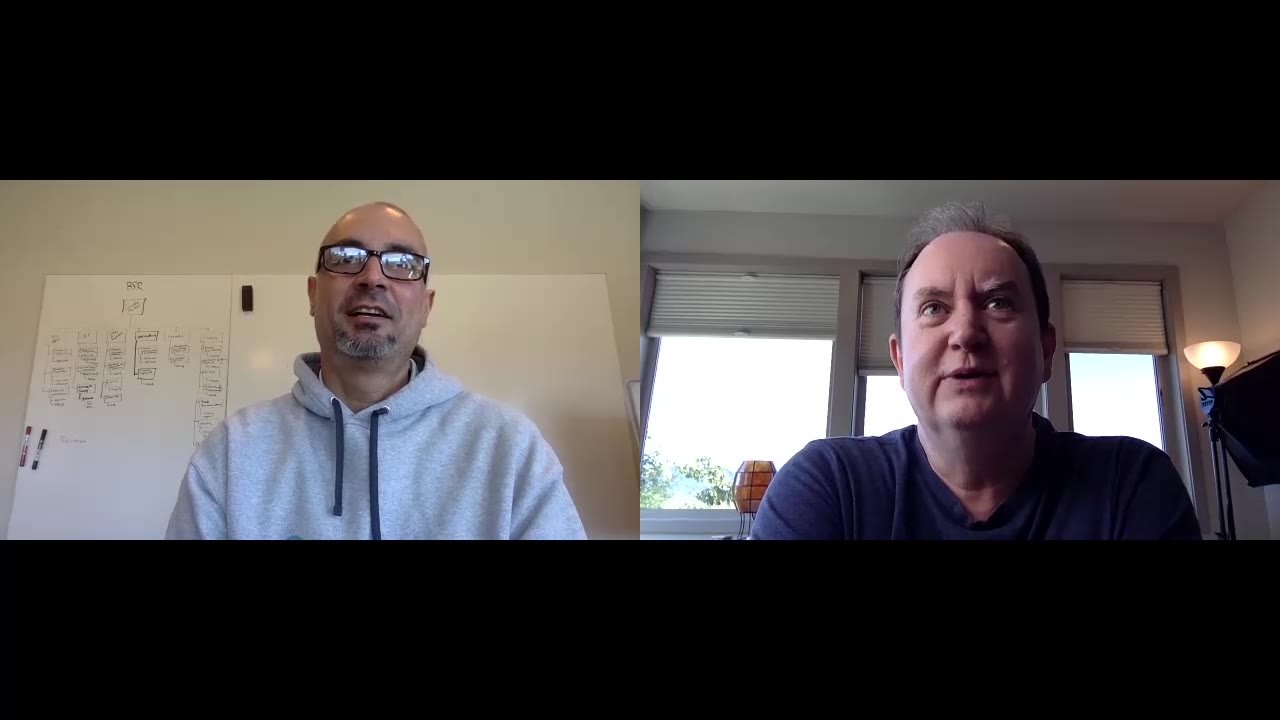 Video
The Premise
Two friends, different angles, common values
“…uhhhhh.”
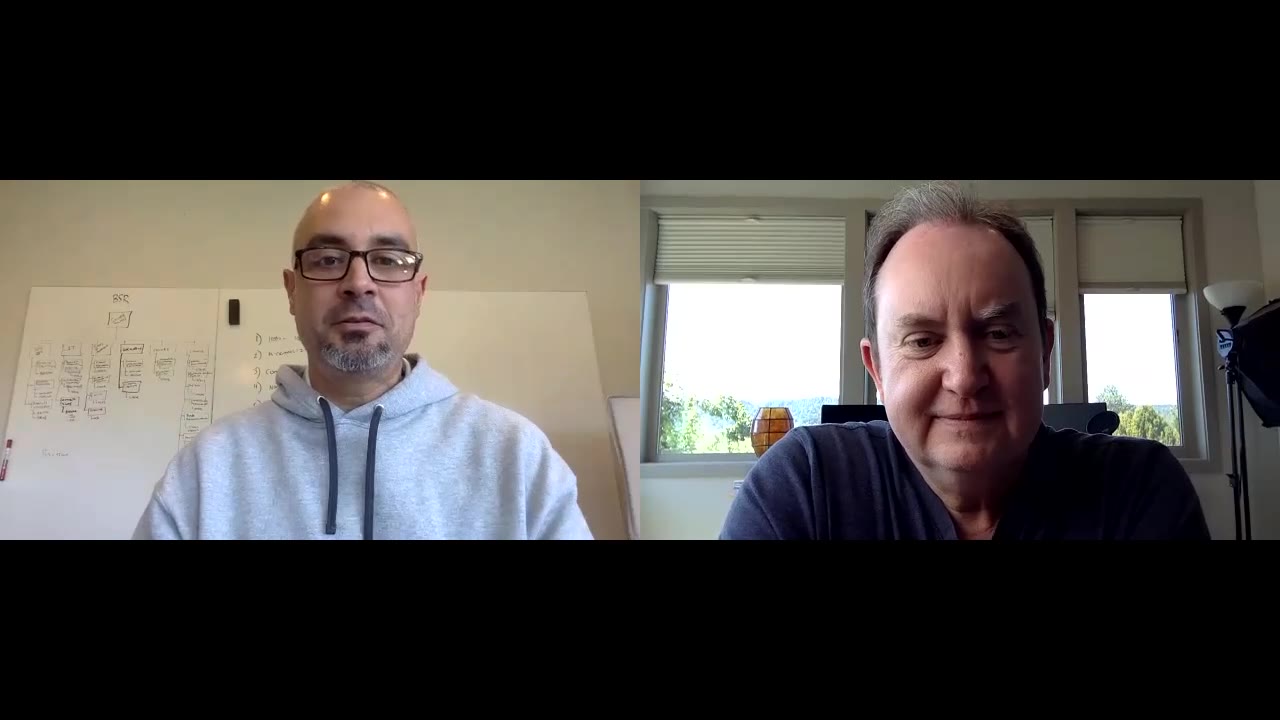 Video
Same Shirt, Same Day
Batch recording, zero pretense, full honesty
“Steve, do you only have one t-shirt? — Yes. I buy them in books of a hundred and then I wear them forever.”
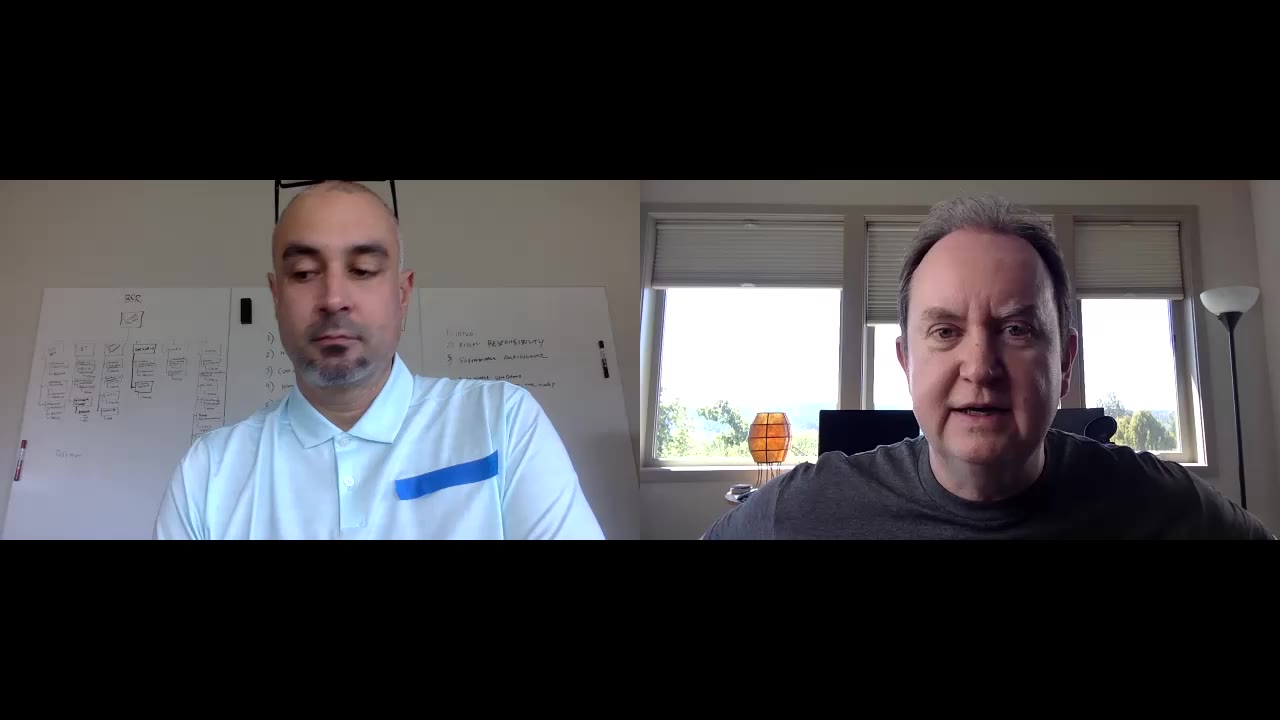 Video
Decentralization & the Open Market
Crypto, El Salvador, and who regulation actually helps
“It doesn’t take knowledge to go all in. That’s very clear.”